Our Curriculum Overview
The structure you need. The freedom you love.
Fiat Academy supports Catholic families who homeschool their children by offering an integrated, historically grounded, faith-infused curriculum. Our teachers provide support for parents and our academic community offer accountabiity for students. Our role is to assist parents in forming their child’s Catholic identity — intellectually, spiritually, and imaginatively.

Integrated Humanities
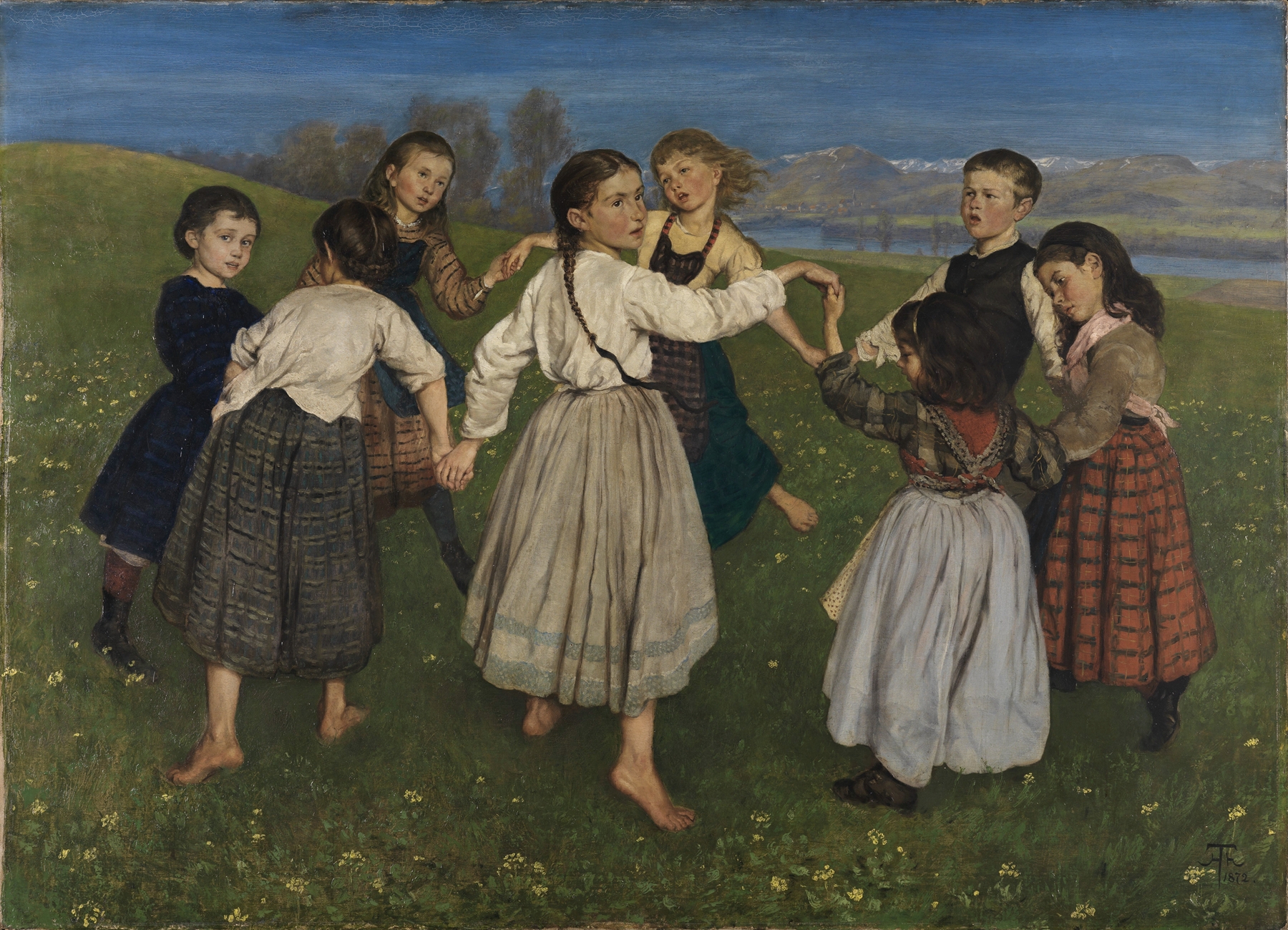
Children ages 7-9 are gently introduced to the world through fables, myths, fairy tales, historical fiction, mapwork, picture study, poetry memorization, and simple crafts. The world's story deepens for children ages 10-12, where Phillip Campbell's, The Story of Civilization, is paired with biographies of saints and heroes, historical fiction, chronicles and journals, to expand the child's understanding and imagination.
Nature Study & Science
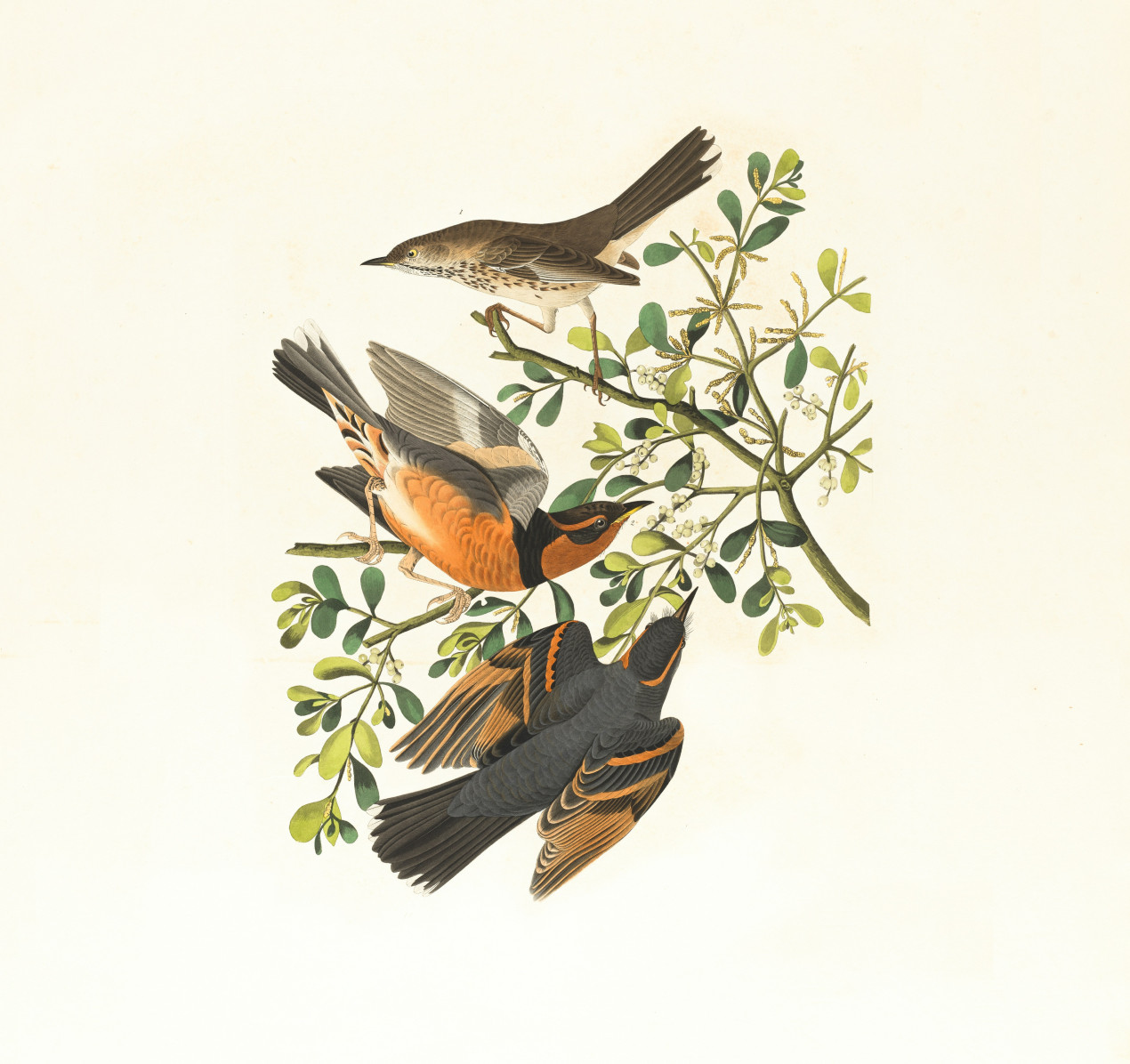
For younger students, science begins with observation. We combine picture books, nature journaling, and creative projects to help students articulate what they see. With older students observation shifts to experimentation. Whether it's learning about seeds, the planets, or anatomy, the goal is to make science come alive.

Mathematics
Homeschooled children arrive with each having used different math curricula, and this presents a unique challenge when trying to pick one that fits every child. Embracing this challenge, Fiat Academy incorporates the Math Mammoth Blue Series for math instruction. By using its assessment tools, this flexible series allows us to work with parents to design a plan of study for their child that builds on the child’s current math level and moves him or her to the next. Parents may use this series in one of three ways: as their child’s math curriculum, as a supplement to the curriculum their child has been using at home, or as a way to shore up any weak areas.
Nature Study & Science
Latin & Music
For younger students, science begins with observation. We combine picture books, nature journaling, and creative projects to help students articulate what they see. With older students observation shifts to experimentation. Whether it’s learning about seeds, the planets, or anatomy, the goal is to make science come alive.
“The greatest service we can do to education today is to teach fewer subjects. No one has time to do more than a very few things well before he is twenty, and when we force a boy to be a mediocrity in a dozen subjects, we destroy his standards, perhaps for life.” C.S. Lewis
